The Future of Web Design: Trends to Watch
The future of web design is not about chasing every shiny effect. It is about building websites that feel faster, clearer, easier to use, and ready for the way people actually browse today. That usually means mobile-first layouts, better accessibility, smarter performance choices, and a little less “look what we can do” just for the sake of it.
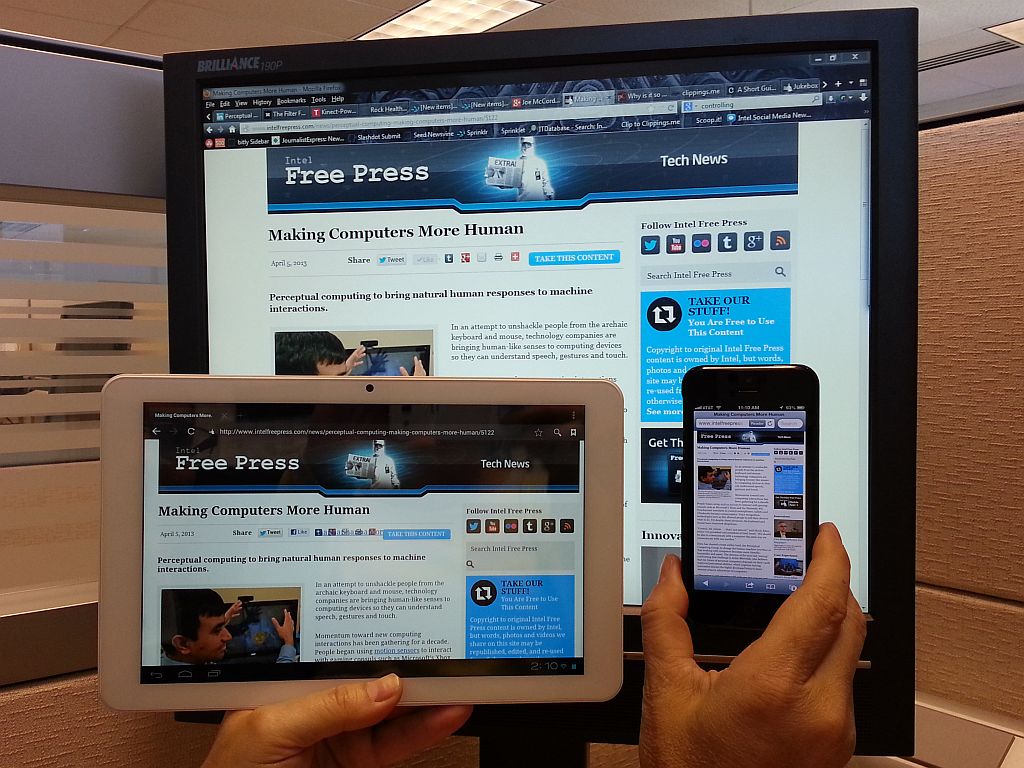
Overview of Current Trends
Right now, the strongest web design trends are the ones that help people move through a site without friction. Responsive design is still the baseline, not the bonus feature. Accessibility is moving from “nice to have” to “should have been there all along.” And performance matters more every year, because a beautiful page that loads slowly is still a frustrating page.
Google’s Search Essentials are a good reminder that clear structure, crawlable links, and useful content still matter. That same plain-language principle applies to visitors: if a page is easy to scan, easy to tap, and easy to understand, it tends to work better for everyone.
- Mobile-first layouts that begin with the smallest screen
- Simple navigation that reduces decision fatigue
- Accessible color contrast, headings, and form labels
- Fast-loading media and lighter page design
- More intentional use of motion, not motion everywhere
Predicted Trends for the Next 5 Years
The next few years will likely bring more design systems, more personalized content, and more websites that adapt to context instead of showing the exact same thing to every visitor. We are also likely to see a stronger push toward cleaner interfaces, because users are tired of hunting for the important stuff like it is hidden treasure.
Artificial intelligence will probably help teams move faster, but it should not replace thoughtful design decisions. The more useful question is not “Can AI make this?” but “Does this help the visitor?” For a broader view of how design and digital behavior are shifting, the Nielsen Norman Group articles are a solid place to follow usability trends and user behavior research.
What may matter most
| Trend | What it means for visitors |
|---|---|
| Responsive layouts | Pages keep working on different screen sizes without awkward zooming |
| Accessibility-first thinking | More people can navigate and complete tasks comfortably |
| Performance tuning | Sites feel quicker and less cluttered |
| Smarter content structure | Readers find answers sooner |
| Adaptive experiences | Sites respond better to device, intent, and context |
How to Implement These Trends
You do not need to rebuild everything at once. A better approach is to improve one layer at a time. Start with layout, then content hierarchy, then speed, then accessibility. That is less glamorous than a total redesign, but it usually produces a website people can actually use.
- Check your site on a phone first, then a tablet, then a desktop
- Make buttons large enough to tap without frustration
- Use headings that describe the page clearly
- Compress images so they load quickly
- Test forms, menus, and contact paths on real devices
If you want a practical reference for accessibility expectations, the W3C Web Content Accessibility Guidelines are the standard many teams use as a starting point. You do not need to memorize the whole thing to benefit from it; even a few good habits can make a site feel much more polished.
For local businesses, this often means pairing a clean design with a clear next step. A service page, a quote request form, or a direct contact link can be the difference between a visitor who leaves and one who reaches out.
Case Studies of Innovative Design
Some of the best examples of innovative web design are not flashy at all. They are simply well organized. Think of a product site that shows just enough detail, a service site that answers the obvious questions before you have to ask them, or a portfolio site that lets the work speak without a maze of effects in the way.
For inspiration beyond the usual design gallery loop, the Smashing Magazine web design category often highlights practical patterns, interface ideas, and real-world implementation tips. The common thread across strong examples is usually the same: the design supports the message instead of trying to outshine it.
A simple case study pattern looks like this:
- Before: crowded navigation, slow pages, and hard-to-read text
- After: clearer hierarchy, cleaner spacing, and fewer barriers to action
- Result: visitors can find services, understand value, and contact the business faster
Tips for Staying Ahead in Web Design
The short version? Stay curious, but stay practical. The next big thing in web design usually becomes the next basic expectation sooner than people think. So the real advantage comes from building websites that are flexible enough to adapt when user habits change.
- Review analytics and see where users hesitate or leave
- Keep learning about usability, accessibility, and performance
- Refresh old layouts before they become hard to use
- Ask real people to test important pages on their own devices
- Balance visual style with clear goals and easy navigation
If you want a quick outside perspective on changing digital behavior, Wikipedia’s overview of web design can be a helpful refresher on the field’s broad history and concepts before you dive back into the details.
Ready for the Future of Web Design?
The strongest websites of the next five years will probably be the ones that feel simple, flexible, and built for real people. That is good news for businesses that want their site to work harder without looking louder.
If you are thinking about your own site, start with one question: does this still make sense on a phone, in a hurry, and for someone who has never seen it before? If the answer is no, it may be time for a smarter update.
Need help planning the next version of your website? Explore our services, learn more about CBass Web Design, or request a quote when you are ready to talk through the details.